11th Edition
World Heart Congress
THEME: "Empowering Hearts, Empowering Lives: Shaping the Future of Cardiovascular Health"
 15-16 Mar 2027
  Renaissance London Heathrow Hotel, London, UK
 THEME: "Empowering Hearts, Empowering Lives: Shaping the Future of Cardiovascular Health"
15-16 Mar 2027
Renaissance London Heathrow Hotel, London, UK 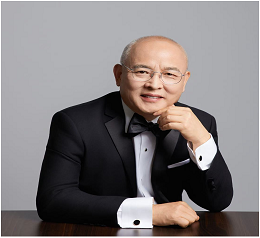
Southeast University, China
Title: Differential Roles of Eosinophils in Cardiovascular Diseases
Guo-Ping Shi is an internationally renowned expert in cysteine proteinases, mast cells, and eosinophils in cardiovascular and metabolic diseases. A Harvard University Doctor of Science, he served over 30 years on the faculty of Brigham and Women’s Hospital and Harvard Medical School. Recently, he joined the School of Medicine and the Advanced Institute of Life and Health at Southeast University, Nanjing, China. Dr. Shi has published 260 high-impact articles and led nearly $50 million in research funding, including 19 NIH R01s. His pioneering work demonstrates that cysteinyl cathepsins remodel the vasculature and generate bioactive peptides, while mast cells and eosinophils exert opposing inflammatory effects. Crucially, he discovered that eosinophil cationic protein (ECP) plays a dual role: cardioprotective yet also promoting vascular calcification and thrombosis. Through these contributions, Dr. Shi established the foundational framework for understanding proteinases and innate immune cells in cardiometabolic disease, shaping a critical field of biomedical research.
Objectives: Eosinophils are major cell types in allergic hypersensitivity, a known risk factor of cardiovascular diseases (CVD). Yet, it remains unknown whether EOS play a protective or detrimental role in CVD.
Methods: Eosinophil-deficient ?dblGATA1 mice, anti-inflammatory cytokine-deficient eosinophils, and recombinant eosinophil molecules, including eosinophil cationic protein (ECP) were used to test the role of eosinophils in CVD, including left coronary artery ligation-induced myocardial infarction (MI), isoproterenol and transverse aortic constriction (TAC)-induced cardiac hypertrophy and heart failure (HF), Ang-II infusion and periaortic CaCl2 injury-induced abdominal aortic aneurysm (AAA), and diet-induced atherosclerosis. Cultured cardiomyocytes, cardiac fibroblasts, endothelial cells, smooth muscle cells (SMCs), and macrophages were used to test the role of eosinophils and their granular proteins in activating these cardiac and vascular cells.
Results: Eosinophils play protective roles in murine MI, cardiac hypertrophy, and HF by producing IL-4, IL-5, IL-13, and ECP to inhibit ischemia-induced cardiomyocyte apoptosis and pressure overload-induced hypertrophy, to block cardiac fibroblast activation and fibrotic protein production, and to polarize M2 macrophages. Eosinophils also use these molecules to block isoproterenol-induced cardiac hypertrophy and HF. Eosinophils slow Ang-II perfusion- and CaCl2 injury-induced AAA by releasing IL-4 and ECP to reduce angiogenesis, inhibit SMC proliferation, promote M2 macrophage and Ly6Clow monocyte polarization, and block AAA lesion cell NF-?B activation. In contrast, eosinophils are detrimental in diet-induced atherosclerosis by promoting vascular calcification, platelet activation, and thrombosis. Clinical studies from MI patients demonstrate that low blood eosinophil count increases the risk of in hospital and early after hospital discharge (30-day) cardiac and all-cause mortalities, but high blood eosinophil counts become a risk factor of mortalities at late stages, 5 months after hospital discharge.
Conclusions: Eosinophils use anti-inflammatory cytokines and granular proteins such as ECP to protect cardiac and vascular cells from acute cardiovascular injuries, such as MI, cardiac hypertrophy, HF, and AAA, but the same cells become pathogenic in chronic CVD such as atherosclerosis.
