11th Edition
World Heart Congress
THEME: "Empowering Hearts, Empowering Lives: Shaping the Future of Cardiovascular Health"
 15-16 Mar 2027
  Renaissance London Heathrow Hotel, London, UK
 THEME: "Empowering Hearts, Empowering Lives: Shaping the Future of Cardiovascular Health"
15-16 Mar 2027
Renaissance London Heathrow Hotel, London, UK 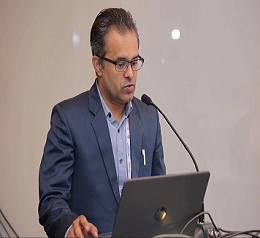
Medanta Hospital
Title: Cornonay Revascularisation In Dextrocardiac with Situs Inversus
Dhanesh Bhardwaj is a renowned Cardiothoracic and Vascular Surgeon (CTVS), serving as Senior Consultant at Medanta – The Medicity and Chief Executive Officer & Chief Cardiac Specialist at Heart Hospital, Palwal. He holds prestigious qualifications including MBBS, MCh, DrNB (CTVS), and FACC (USA). With extensive experience in advanced cardiac surgery, he specializes in Coronary Artery Bypass Grafting (CABG), Aortic Valve Replacement (AVR), Mitral Valve Replacement (MVR), Double Valve Replacement (DVR), and other complex cardiac procedures. Having trained and practiced at leading institutions such as Medanta and the National Heart Institute, Dr. Bhardwaj is recognized for his surgical excellence, expertise in advanced arterial revascularization and endoscopic arterial harvesting, and his commitment to delivering world-class, patient-centered cardiac care.
Introduction:
Dextrocardia is a rare congenital anomaly occurring in ~0.01% of live births, with situs inversus accounting for 37–39% of cases. Although the incidence of coronary artery disease (CAD) in these patients is equivalent to the general population, Coronary Artery Bypass Grafting (CABG) presents distinct anatomical, diagnostic, and technical challenges.
Methods:
A 58-year-old male with chronic stable angina presented for evaluation. Electrocardiography with reversed lead placement, chest radiography, transesophageal echocardiography, and abdominal ultrasound confirmed dextrocardia with situs inversus totalis. Angiography using inverted radiographic projections revealed triple-vessel CAD. The patient underwent off-pump, beating-heart CABG. Key surgical adaptations included positioning the primary surgeon on the left side of the table and using the right internal mammary artery (RIMA) to graft the mirror-image left anterior descending (LAD) artery, alongside reversed saphenous vein grafts to the mirrored right coronary and obtuse marginal arteries.
Results:
The patient had an uneventful perioperative recovery and was discharged on postoperative day five. Literature shows that post-CABG mortality, graft patency, and long-term major adverse cardiac event (MACE) rates in patients with dextrocardia and situs inversus are comparable to conventional CABG.
Conclusion:
Dextrocardia with situs inversus totalis does not confer higher operative risk for CABG when preoperative anatomical planning, modified imaging protocols, adjusted surgical ergonomics, and tailored conduit choices (notably RIMA-to-LAD) are systematically implemented.
